
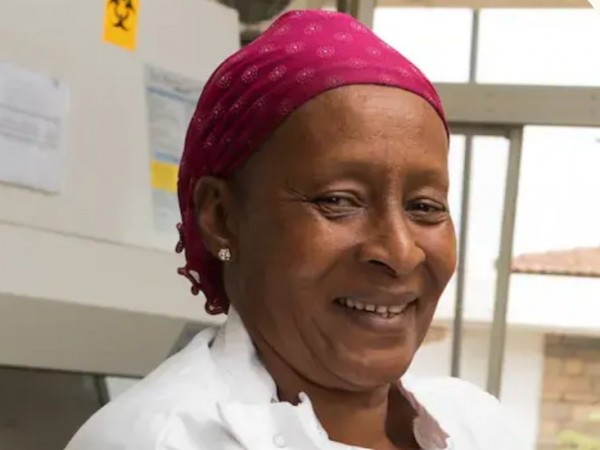
 Dr. Rosemary Sang
The African Academy of Sciences (AAS) Fellow, Dr Rosemary Sang, has been elected as an International Member of the United States National Academy of Sciences (NAS), marking a significant milestone in global recognition of African scientific leadership.
The election places Dr Sang among a distinguished group of scientists worldwide whose work has made exceptional contributions to the advancement of science. It also underscores the growing visibility of African researchers within global scientific institutions traditionally dominated by scholars from high-income countries.
Dr Sang, an AAS Fellow, has built a career focused on infectious disease research and public health, contributing extensively to scientific understanding in areas critical to Africa’s disease burden. Her election reflects both the quality and global relevance of research emerging from African scientific institutions.
The NAS membership is widely regarded as one of the highest honours in science, awarded to researchers whose work has demonstrated sustained excellence and impact. International membership is reserved for non-US scientists who have significantly advanced knowledge in their respective fields.
The AAS described the recognition as a testament not only to Dr Sang’s individual achievements but also to the strengthening role of African scientists in shaping global research agendas. It comes at a time when African research institutions are increasingly contributing to international collaborations in health, climate science, and innovation systems.
Dr Sang’s election is expected to further enhance opportunities for scientific exchange between African institutions and global research networks, particularly in areas where cross-border collaboration is essential to addressing shared challenges such as emerging infectious diseases.
The development also highlights the growing impact of programmes supported by the AAS to nurture scientific excellence across the continent, including fellowships, capacity-building initiatives, and research leadership platforms designed to elevate African voices in global science governance.
The recognition signals a broader shift in global science, where African researchers are increasingly being acknowledged not only as contributors but as leaders in generating knowledge that addresses both regional and global challenges.
Photo courtesy: AAS
Comment