
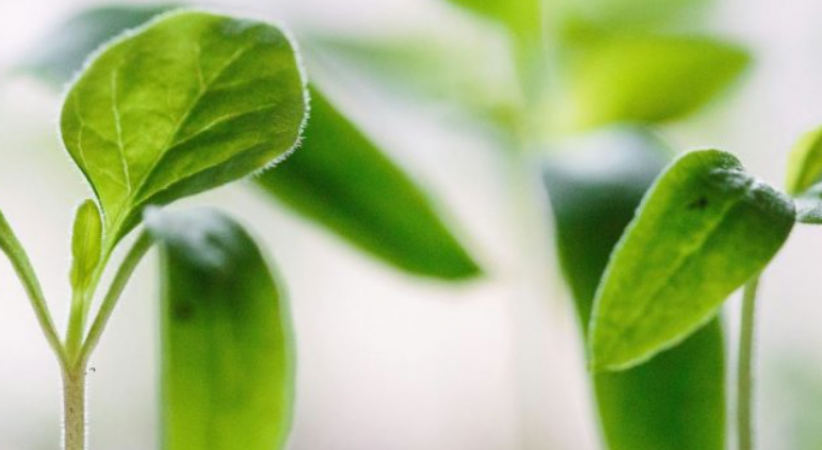
South Africa is taking one of its most iconic indigenous crops beyond Earth in a pioneering scientific initiative that combines space research, agricultural innovation and science education, positioning the country at the intersection of agriculture and the growing global space economy.
The "Rooibos in Space" programme will see indigenous Rooibos seeds launched to the International Space Station (ISS) in October, where they will be exposed to microgravity and space radiation before returning to Earth for scientific analysis. The project is the first of its kind in South Africa and forms part of a broader international effort to understand how plants respond to the extreme conditions of space.
The initiative was launched in Cape Town by the South African Rooibos Council (SARC) in partnership with MaxIQ Space, with support from the South African National Space Agency (SANSA). While the experiment contributes to international research on future food production in space, its broader ambition is to strengthen South Africa's scientific capacity by connecting agriculture, space science and STEM education.
Once the seeds return from orbit, researchers and learners will compare them with identical Rooibos seeds that remained on Earth, measuring differences in germination, growth, resilience and yield. The findings could contribute to both future space-based agriculture and improving crop resilience under increasingly challenging environmental conditions on Earth.
The project comes as space agencies worldwide intensify research into sustainable food production for long-duration missions, including NASA's Artemis programme. Previous experiments aboard the ISS have demonstrated that crops such as lettuce, peas and soybeans can survive and grow under microgravity, providing valuable insights into plant biology and future life-support systems for deep-space exploration. Rooibos now joins that growing body of international plant research.
Beyond the scientific experiment, the initiative places young people at the centre of the research process. Learners from seven schools in the Cederberg, the only region where Rooibos naturally grows, will conduct much of the post-flight analysis alongside local farmers, collecting and interpreting scientific data as part of a structured research programme. A parallel experiment at Parklands College in Cape Town will provide additional comparative results.
According to SANSA, the initiative reflects the growing role of space science in addressing real-world challenges ranging from environmental monitoring and communications to agriculture and food security. By linking an indigenous African crop with cutting-edge space research, the project also demonstrates how locally rooted innovation can contribute to global scientific knowledge.
The programme further highlights South Africa's expanding role in international space science through collaboration between government, academia, industry and education institutions.
Article by Jed Mwangi
Photo courtesy: University of Connecticut
Comment