
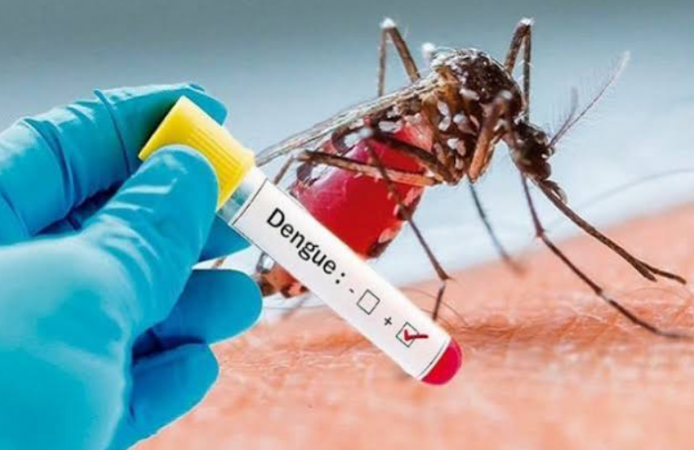
Kenya has joined a global research alliance seeking new dengue treatments as reported cases rise, becoming the first African country to enter the international partnership and bringing African expertise into efforts to address critical gaps in dengue care.
The Kenya Medical Research Institute (KEMRI) was formally welcomed into the Dengue Alliance at a meeting in Kuala Lumpur, Malaysia, on October 27. The membership is expected to expand opportunities for African researchers and patient populations to contribute to global studies aimed at developing effective treatments for the mosquito-borne disease.
The move comes as dengue spreads beyond Kenya’s traditionally affected coastal areas into parts of northern and western Kenya, including regions bordering Uganda, South Sudan and Ethiopia. All four dengue virus serotypes have been detected in the country since its first reported epidemic in 1982.
According to figures attributed to the World Health Organization (WHO) in the announcement, Kenya recorded nearly 10,000 dengue cases between January and August 2026, compared with 4,300 cases in 2025 and 1,400 in 2024.
The rising numbers highlight the need for stronger disease surveillance, diagnostic capacity and research as health authorities work to understand the extent of transmission.
Established in 2022, the Dengue Alliance brings together the Drugs for Neglected Diseases initiative (DNDi) and research institutions from Brazil, Malaysia, India and Thailand. It aims to accelerate the development of safe, effective, affordable and accessible treatments for dengue.
Despite progress in vaccine development and mosquito control, there is no specific antiviral treatment approved for routine dengue care. Treatment largely involves supportive care, including fluid management and monitoring for severe complications.
KEMRI’s membership is expected to help address gaps in understanding dengue across Africa, where the disease’s burden is widely considered underestimated because of underdiagnosis and underreporting. Limited data can hinder early outbreak detection, effective resource allocation and the development of targeted public health responses.
Dr Erick Muok, KEMRI’s acting director of research and development, said the institute would contribute African expertise and evidence in clinical research, diagnostics, surveillance and outbreak response.
The partnership is also expected to create opportunities for African populations to be better represented in future research, helping ensure that treatment development reflects the needs of communities affected by dengue.
Meanwhile, alliance partners are advancing a potential dengue treatment developed through collaboration between DNDi and the Serum Institute of India. A Phase III clinical trial is expected to begin in early 2027 in Brazil, Thailand and Malaysia. Researchers are also exploring additional approaches, including antiviral medicines and host-directed therapies.
Dr André Siqueira, head of DNDi’s Global Dengue Programme, said KEMRI’s expertise would help ensure research responds to the needs of affected populations in Africa.
Article by Jed Mwangi
Photo courtesy: Google
https://www.kemri.go.ke/wp-content/uploads/2026/10/Kenya-joins-Global-Dengue-Alliance.pdf
Comment