
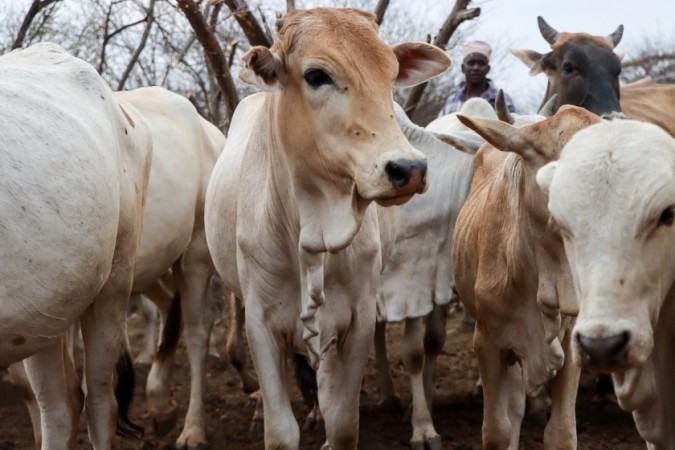
Two major African-led research initiatives are set to redefine global understanding of Rift Valley fever (RVF), a mosquito-borne viral disease that devastates livestock and communities yet remains among the least studied global health threats.
Despite being identified as a top priority for urgent research by both the World Health Organisation (WHO) and the Africa Centres for Disease Control and Prevention (Africa CDC), RVF’s true burden across the continent has long remained unclear. The new projects — RVF-VETS, led by Washington State University’s Global Health Program in Kenya, and REMIT, spearheaded by Tanzania’s Kilimanjaro Clinical Research Institute — aim to change that.
Backed by up to $9.6 million in funding from the Coalition for Epidemic Preparedness Innovations (CEPI), the two initiatives will deploy large-scale epidemiological studies and advanced modelling tools to map RVF transmission, identify vulnerable populations, and predict shifting outbreak patterns. Partners include research teams from The Gambia, Uganda, South Africa, the UK, the US, and New Zealand.
Rift Valley fever, first detected in Kenya in 1930, periodically causes major outbreaks marked by mass livestock deaths, food insecurity, and human illness — sometimes fatal. Between outbreaks, however, little is known about how the virus circulates, leaving policymakers and vaccine developers without critical data.
Dr. Kariuki Njenga, Principal Investigator of the RVF-VETS project in Kenya, pointed to recent findings of “hyperendemic regions” where the virus appears to circulate continuously. “We identified a hotspot in southwestern Uganda with almost two years of continuous weekly detections of acute human RVF cases,” he said, adding that climate variation and livestock movement are key drivers of these patterns.
Professor Blandina Mmbaga, Director of the Kilimanjaro Clinical Research Institute and leader of the REMIT project, stressed that the work extends beyond vaccine planning. “We are building an integrated understanding that links human, animal, and environmental health. This will inform not just vaccine trials but also long-term strategies to control and prevent outbreaks,” she said.
For CEPI, the findings are crucial to determining whether vaccine trials for RVF are feasible. “This research will tell us if vaccine efficacy trials are viable, where they should take place, and how long they would take,” said Dr. Kent Kester, CEPI’s Executive Director of Vaccine R&D. “If cases are too sporadic, we will need alternative licensing pathways. Either way, we will finally have the evidence to make informed decisions.”
Both projects are adopting a One Health approach, integrating human, animal, and environmental data to better understand viral spillover dynamics. The insights are expected to inform vaccine readiness, outbreak preparedness, and broader responses to emerging infectious diseases across Africa and beyond.
In line with CEPI’s equitable access commitments, the findings and data will be openly shared with the global scientific community, offering critical tools for African policymakers, vaccine developers, and public health planners to strengthen resilience against future epidemics.
Article by RB Reporter
Photo/Google
https://cepi.net/landmark-african-led-research-map-extent-rift-valley-fever-impact
Comment