
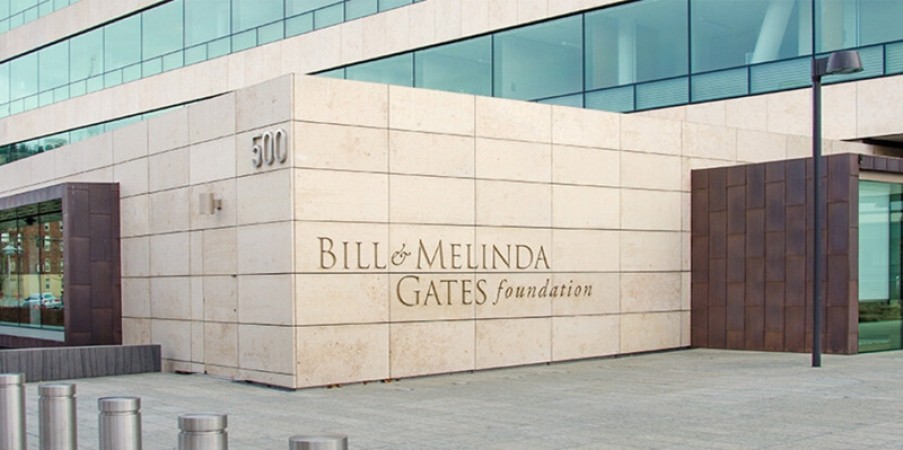
The Bill & Melinda Gates Foundation has announced a major organisational restructuring with the creation of a new Africa and India Offices Division, a move aimed at strengthening regional engagement, strategy, and execution in two of its most critical operating regions. The announcement, made on 12 January 2026, reflects a broader shift in the foundation’s approach to global development work, prioritising local leadership and lived experience in decision-making processes.
The new division will be led by Ankur Vora, the foundation’s Chief Strategy Officer, who will assume the role of President of the Africa & India Offices Division in addition to his strategic responsibilities. Vora said the move recognises “the central role these regions play in advancing our mission” and underscores the importance of regional and country perspectives in shaping priorities and deploying resources.
“We are elevating country and regional voices in strategy, priority setting and execution,” foundation CEO Mark Suzman said, adding that the reorganisation is part of a deliberate effort to ensure that strategies are informed by those with direct experience of local contexts. Suzman has previously emphasised the foundation’s commitment to lasting impact over the next two decades before its planned wind-down by 2045.
The Africa and India Offices Division consolidates the foundation’s presence across multiple country offices, including its expanding footprint in Africa and its long-established operations in India. In Africa, Gates has maintained offices in Ethiopia, Kenya, Nigeria, Senegal and South Africa since 2012, working on health, agriculture, nutrition, and development programmes in collaboration with governments and local partners. Meanwhile, the India office, established in 2003, has supported large-scale initiatives in public health, sanitation, agricultural development and financial inclusion.
The consolidation aims to enable closer alignment of regional strategy with global goals, harnessing lessons from local operations to guide programming and funding decisions. By situating decision-making closer to communities and governments it seeks to strengthen the foundation’s ability to create tailored and sustainable impact on issues such as infectious disease control, maternal and child health, and economic opportunity.
For example, the Gates Foundation’s work in Kenya focuses on expanding digital financial services, improving smallholder agriculture, enhancing family planning and advancing women’s economic opportunities, efforts that are deeply integrated with national development priorities.
The launch of the new division comes as the foundation unfolds its largest annual budget to date, with plans to spend $9 billion in 2026 across global health, development and innovation programmes. This strategic investment comes alongside a plan to downsize some roles at its Seattle headquarters, particularly in HIV and tuberculosis teams, as more work shifts to regional offices in Africa and India.
The reorganisation also coincides with broader leadership changes: the foundation recently appointed Dr Sri Mulyani Indrawati, former Indonesian Minister of Finance and World Bank managing director, to its governing board, underscoring a heightened focus on economic and development expertise at the highest levels.
The formation of the Africa and India Offices Division aligns with wider calls for decentralised development strategy, where local insights and priorities shape solutions to entrenched challenges. The foundation’s continued investment in African research, health systems, and community-led initiatives aims to expand and sustain gains in these areas.
Photo courtesy
Article by Jed Mwangi
Comment