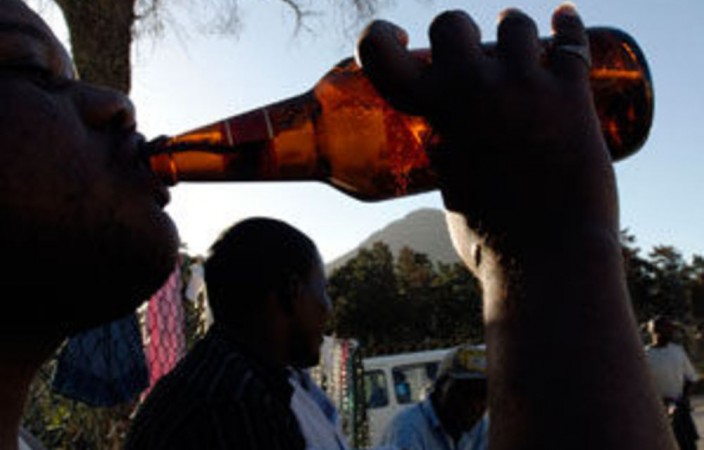
A major new research initiative has been launched to examine how political incentives, commercial interests, and social inequalities are shaping harmful alcohol use in South Africa and Botswana, shifting the focus from individual behaviour to the broader systems that entrench alcohol-related harm across the region.
The five-year initiative, led jointly by the University of Cape Town (UCT) and the South African Medical Research Council (SAMRC), aims to generate evidence capable of informing stronger national policies and community-level interventions. The programme, known as the Collaboration for Harm Reduction and Alcohol Safety in the Environment in Southern Africa (CHASE-SA), marks one of the most comprehensive attempts to map the full “alcohol environment” in southern Africa.
The consortium includes the University of Botswana, the London School of Hygiene & Tropical Medicine (LSHTM), CAPRISA, and civil society partners such as the Southern Africa Alcohol Policy Alliance (SAAPA).
South Africa remains one of the world’s heaviest-drinking countries, with harmful use contributing to roughly 7% of the total disease burden. But researchers say the new study reflects growing recognition that alcohol harm is produced by a web of structural factors not simply by personal choice.
“Harmful drinking does not happen in a vacuum,” said project lead Professor Richard Matzopoulos of UCT and head of the SAMRC’s Burden of Disease Research Unit. “We want to understand the forces from political lobbying to marketing strategies to community stressors that make harmful drinking so entrenched, and what levers are most effective for change.”
This broader lens comes at a critical moment. While alcohol consumption has declined in many high-income countries, multinational beverage companies have intensified their efforts in low- and middle-income markets, including Africa, where regulatory environments are weaker and populations are younger.
The study will focus on communities where alcohol harm intersects with major public health crises, including gender-based violence, HIV and TB infections, trauma injuries, and some of the world’s highest rates of foetal alcohol spectrum disorders, particularly in the Western Cape.
Researchers will analyse:
- how alcohol is marketed and distributed
- how local politics and industry influence regulation
- how unemployment, inequality, and social stress shape drinking behaviour
- how communities perceive harm and resilience
- where policy bottlenecks exist
This approach aims to move beyond national statistics to uncover how specific environments enable harmful drinking patterns.
The consortium argues that the COVID-19 alcohol sales bans demonstrated both the scale of preventable harm and the political sensitivity of alcohol regulation. Trauma admissions declined dramatically, but the period also exposed the strength of industry resistance to tighter controls.
UCT says these lessons offer a rare opportunity to rethink regulatory approaches if backed by solid evidence and community engagement.
“Evidence alone does not change policy,” Matzopoulos noted. “But evidence co-created with communities, civil society and policymakers can shift political will.”
A core goal of CHASE-SA is to support governments and civil society groups with data, tools and implementation research that can make alcohol harm reduction policies both effective and politically feasible. This includes examining pricing policies, zoning regulations, community-driven interventions and strategies to counter industry lobbying.
Article by RB correspondent
https://www.news.uct.ac.za/article/-2025-12-02-uct-leads-landmark-study-to-curb-alcohol-harm-in-sa
Comment