
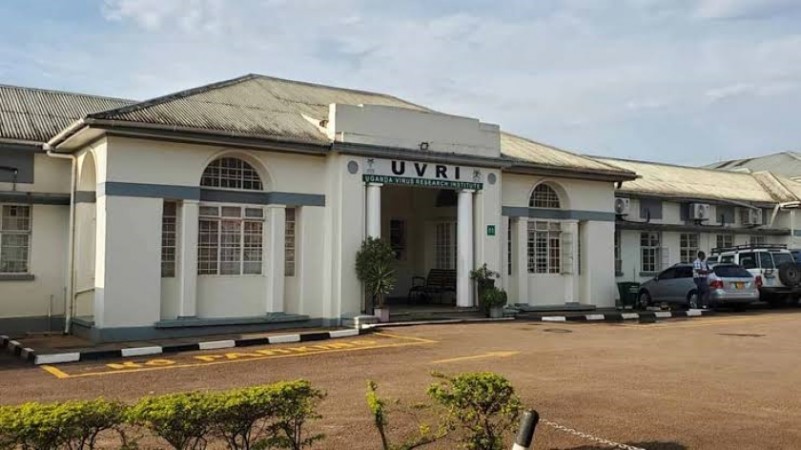
In a major boost to East Africa’s epidemic preparedness, the Uganda Virus Research Institute (UVRI) has been designated as the official Centre of Excellence in Virology for the East African Community (EAC). The announcement was made during the launch of Phase III of the Regional Network of Reference Laboratories Project held in Arusha, Tanzania.
The recognition of UVRI marks a significant milestone in Africa’s drive to build decentralised, self-reliant epidemic response infrastructure. The €12 million project, funded by the German government through KfW Development Bank, aims to strengthen laboratory systems across the eight EAC member states. Uganda’s UVRI will receive €3 million to enhance its genomic sequencing, viral diagnostics, and training capabilities.
“This is more than a symbolic appointment,” said Dr. Joseph Okware of Uganda’s Ministry of Health. “UVRI is now entrusted with leading scientific innovation, disease surveillance, and rapid response for the entire region.”
The new Centre of Excellence is expected to support regional capacity in handling emerging and re-emerging viral diseases, a growing priority following global health crises such as COVID-19 and Ebola. It will serve as a hub for training, cross-border coordination, and rapid diagnostic services, improving both national and regional response times.
Dr. Pontiano Kaleebu, Director of UVRI, emphasised that the initiative would foster standardised virology training and data sharing across borders. “We’re entering an era where collaboration is not just important—it’s essential,” he said.
With a legacy dating back to 1936, UVRI has transformed from a yellow fever research centre to one of Africa’s leading biomedical institutions. The institute has played a pivotal role in localising COVID-19 testing protocols, responding to Ebola outbreaks, and partnering with entities like the World Health Organisation and the Africa CDC.
The new designation also aligns with the “One Health” framework, which promotes collaboration among human, animal, and environmental health sectors to combat zoonotic diseases. UVRI will work closely with veterinary and ecological experts to monitor diseases that jump from animals to humans—an increasingly critical challenge.
Health leaders across the region have hailed the move as a victory for regional scientific autonomy. Dr. Jane Ruth Aceng, Uganda’s Minister of Health, noted, “This milestone is the fruit of sustained investment in science, infrastructure, and public health education. But it also demands continued support to maintain momentum.”
Experts caution, however, that true success will depend on long-term sustainability. Challenges such as technical staffing, harmonised policies, and steady financing remain critical to the initiative’s effectiveness.
“The equipment is just the beginning,” said Dr. Mercy Nyong’o from the EAC Secretariat. “The real power lies in having trained, motivated personnel and a coordinated regional vision.”
With the Democratic Republic of Congo (DRC) joining the EAC mobile lab network under the same initiative, the region is poised to improve its capacity for surveillance, early warning, and containment of viral diseases.
The designation of UVRI signals a broader shift toward regional resilience, placing Uganda and East Africa at the forefront of virological research and public health innovation on the continent.
Article by Jed Mwangi
Photo/Google
Comment