
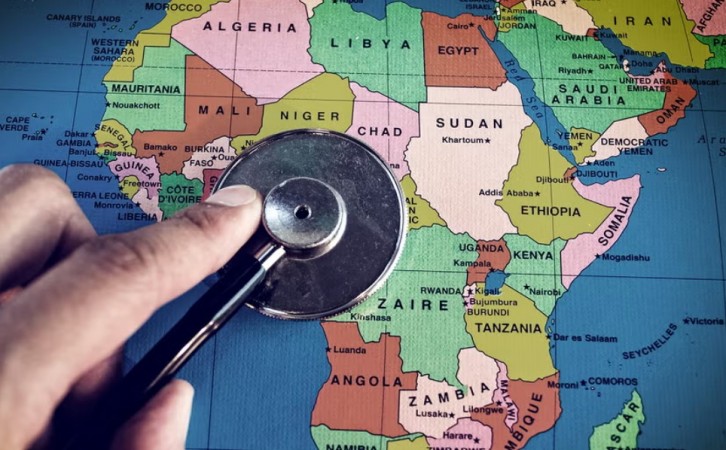
The Novo Nordisk Foundation has announced a commitment of up to €18 million to support medical and clinical research across Africa, in a move aimed at strengthening global health research capacity and advancing responses to priority diseases on the continent.
The funding will be channelled through the third phase of the European and Developing Countries Clinical Trials Partnership (EDCTP3), a long-running international initiative that supports clinical research collaborations between European and African institutions, particularly in areas affecting sub-Saharan Africa.
The partnership is designed to accelerate research on infectious diseases, strengthen clinical trial infrastructure, and support the development of new health interventions tailored to low- and middle-income countries. It also places strong emphasis on building sustainable research capacity within African institutions, including improved training, laboratory systems, and regulatory frameworks.
The Novo Nordisk Foundation, the philanthropic arm of the Danish pharmaceutical company, said the investment reflects its broader commitment to advancing global health equity and supporting research that addresses the world’s most pressing health challenges.
Under the EDCTP3 framework, funding is typically directed toward multi-country research consortia working on diseases such as tuberculosis, malaria, HIV, neglected tropical diseases, and emerging infectious disease threats. The programme also supports research into epidemic preparedness and health system resilience, both of which have gained renewed global attention following recent outbreaks and pandemics.
Health researchers and policymakers have consistently highlighted the importance of sustained investment in African-led research, noting that the continent continues to carry a disproportionate burden of infectious diseases while also facing a rising incidence of non-communicable diseases.
The latest funding is expected to strengthen ongoing efforts to close the gap in clinical research capacity between Africa and higher-income regions, while also supporting more locally led innovation in drug development, diagnostics, and public health interventions.
As global health funding becomes increasingly focused on partnership models rather than traditional donor-recipient relationships, initiatives such as EDCTP3 are positioning African institutions as active research partners rather than passive recipients of external support.
Photo courtesy: Pharmaceutical Technology
Comment