
African and European researchers are stepping up efforts to stay ahead of growing resistance to malaria medicines, combining the development of new drugs with genomic surveillance to identify how parasites adapt and threaten existing treatments.
The new Africa-Europe research programme, the West African Network for Clinical Trials of Antimalarial Drugs (WANECAM3), brings together 11 partners from Africa and Europe to evaluate promising medicines that could provide a single-dose cure for uncomplicated malaria.
The programme will conduct Phase 2 and Phase 3 clinical trials of new non-artemisinin treatments, with researchers seeking medicines that are safe, effective and easier for patients to complete. Most current malaria treatments require multiple doses, creating challenges for adherence, particularly in communities where access to healthcare is limited.
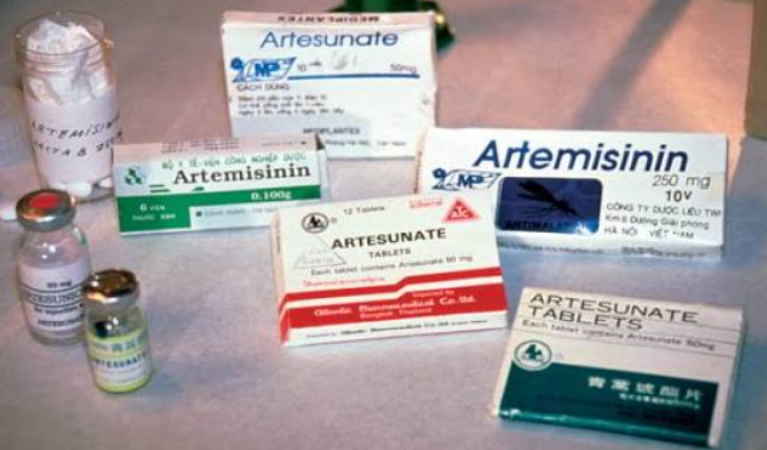
But the research comes against a more immediate threat: malaria parasites are becoming less responsive to some of the medicines that have underpinned global efforts to control the disease. Partial resistance to artemisinin derivatives, a key component of current treatments, has been documented in Southeast Asia for years and has more recently been detected in parts of Africa.
WANECAM3 will therefore pair drug development with efforts to understand and monitor resistance. Dr Khalid Beshir, Associate Professor at the London School of Hygiene & Tropical Medicine (LSHTM), leads the programme’s work on the emergence and evolution of antimalarial drug resistance.
Researchers will use molecular and genomic techniques to track genetic changes in malaria parasites and investigate how those changes influence their response to both existing medicines and drugs being tested through the programme. The approach is intended to identify early warning signs of resistance before new treatments lose their effectiveness.
The single-dose objective could also address a longstanding challenge in malaria treatment: ensuring patients complete their medication. A treatment requiring only one dose could reduce the opportunity for missed doses and potentially improve adherence, while offering another tool as resistance erodes the effectiveness of existing medicines.
WANECAM3 is also being positioned as a long-term investment in African scientific capacity. Research teams in Burkina Faso, Gabon, Kenya, Mali and Uganda will participate in the programme, while Ethiopian partners will take part in dedicated capacity-building activities.
Beyond clinical trials, researchers will investigate how resistance develops and spreads and examine mechanisms of malaria transmission. These activities could generate evidence to guide how new medicines are introduced and used as part of future malaria-control strategies.
The programme builds on the WANECAM network established in 2010, which has played a role in evaluating antimalarial medicines while developing clinical and scientific research capacity in Africa.
Co-funded by the European Union through Global Health EDCTP3, Novartis and Medicines for Malaria Venture, WANECAM3 reflects a broader shift in malaria research: developing new medicines is only part of the challenge. Ensuring those medicines remain effective will depend increasingly on understanding the parasite’s evolution and detecting resistance early.
Article by Jed Mwangi
photo courtesy:The Lancet
Comment