
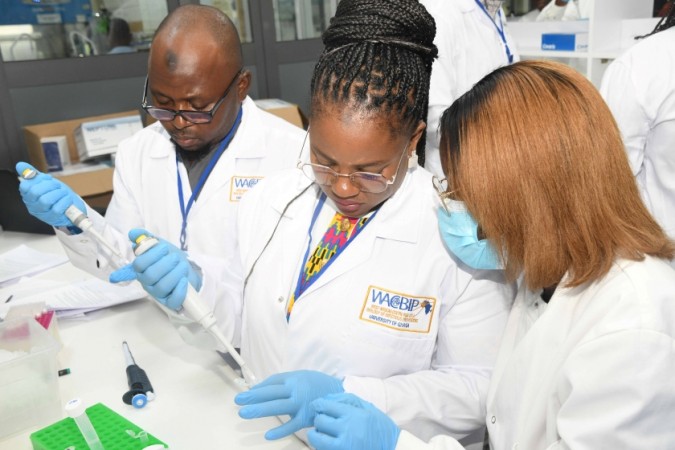
A groundbreaking global health initiative aimed at making genomic sequencing more affordable and accessible has been launched, with African researchers taking a central role in reshaping the world’s epidemic response capabilities.
ARTIC-2, launched in May 2025 with funding from the UK’s Wellcome Trust, seeks to drive down the cost of sequencing infectious disease samples to below £10 (US$13.50). The initiative builds on the success of the original ARTIC project, which was pivotal in the global tracking of COVID-19 variants. The new phase shifts focus toward empowering low- and middle-income countries (LMICs) with real-time, cost-effective tools for pathogen surveillance.
Led by the University of Birmingham, the ARTIC-2 project unites experts from Canada, Switzerland, the UK, and several African nations, including the Democratic Republic of the Congo (DRC), Ghana, and Kenya. At its core, the initiative is championing African scientific leadership, positioning countries on the frontlines of epidemic threats as global pace-setters in genomic innovation.
“This initiative is not just about technology; it’s about empowering countries to lead their surveillance and response,” said Dr. Placide Mbala Kingebeni of the DRC’s National Institute of Biomedical Research (INRB), known for his work in Ebola and Mpox responses.
A highlight of ARTIC-2 is its portable sequencing labs—compact, suitcase-sized units initially developed for use during the Ebola and COVID-19 outbreaks. These mobile labs will now be enhanced to detect a wider range of bacterial, viral, and emerging pathogens, offering real-time data in even the most remote areas.
In Kenya, the Kenya Medical Research Institute (KEMRI) is leading national efforts under the project. Dr. Elijah Songok, Acting Director-General at KEMRI, emphasised the impact of the initiative: “With ARTIC-2, we’re equipping ourselves to identify threats more quickly and act more decisively. That’s a game-changer for public health, especially in Africa.”
The initiative's broader vision includes integration with global surveillance bodies such as the Africa CDC, WHO’s International Pathogen Surveillance Network, and the Asia Pathogen Genomics Initiative, ensuring that its open-access protocols and tools are scalable worldwide.
“This isn’t just about lab equipment. It’s about self-reliance, sovereignty, and resilience in health systems,” noted Natsuko Imai, Wellcome’s Lead for Epidemics Research.
By focusing on affordability, mobility, and equity, ARTIC-2 signals a new frontier in global health preparedness—one where African scientists and institutions aren’t just participating, but leading the charge. As the world braces for the next wave of biological threats, ARTIC-2 ensures that no country, no community, and no laboratory is left behind.
Article by RB Correspondent
Photo/WACCBIP
Comment