
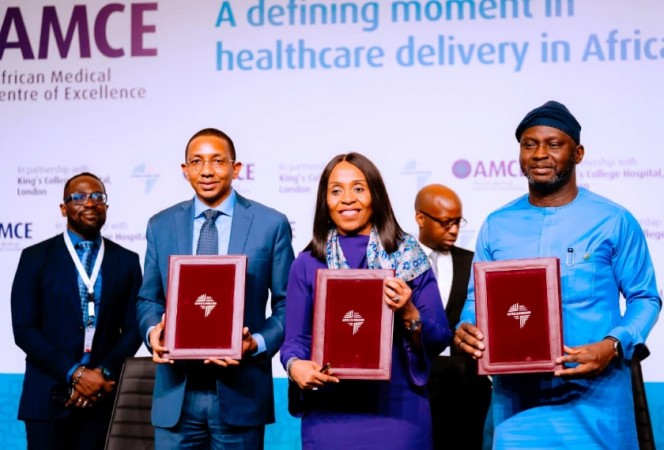
In a bold move to reshape Africa's healthcare landscape, the African Export-Import Bank (Afreximbank) has announced a $75 million investment to establish the African Life Sciences Foundation. The groundbreaking initiative, unveiled during the opening of the African Medical Centre of Excellence (AMCE) in Abuja, represents a strategic pivot toward homegrown solutions for diseases that disproportionately affect African populations.
The three-year funding package will fuel clinical trials, drug development, and innovation labs across the continent, with particular focus on combating sickle cell anaemia, hypertension, and diabetes - conditions that have long suffered from inadequate research attention despite their high prevalence in Africa. Unlike traditional aid models, the foundation incorporates an endowment structure designed to ensure sustainable financing independent of donor fluctuations.
"This marks a fundamental shift in our approach to healthcare," declared Professor Benedict Oramah, Afreximbank's President and Board Chairman. "We're moving beyond being mere consumers of medical solutions to becoming active producers of scientific breakthroughs tailored to Africa's needs." The initiative aims to cultivate a new generation of African researchers and strengthen local institutions' capacity to compete in the global life sciences arena.
The foundation's launch coincides with the operational debut of AMCE, a state-of-the-art medical facility positioned to serve as both a treatment centre and research hub. Together, these developments signal Africa's growing determination to achieve healthcare sovereignty. The initiative will foster public-private partnerships, streamline regulatory processes, and establish cross-border clinical networks to enhance the continent's research capabilities.
Health equity advocates have welcomed the investment as a crucial step toward addressing longstanding disparities in medical research. Diseases prevalent in Africa have historically received minimal attention in global pharmaceutical development pipelines. By taking control of research agendas and funding mechanisms, African institutions can now prioritise conditions that have been neglected by international actors.
This latest commitment builds on Afreximbank's expanding portfolio of healthcare investments, which includes support for vaccine manufacturing and medical infrastructure development across the continent. The bank's strategic focus on health sector development reflects recognition of healthcare as both a fundamental human need and an emerging economic opportunity for Africa.
As the foundation begins its work, it carries the potential to transform not just health outcomes but also Africa's position in the global scientific community. By developing locally relevant solutions and retaining intellectual property on the continent, the initiative could reshape the economics of healthcare in Africa while saving countless lives.
The $75 million pledge represents more than financial support - it embodies a philosophical shift toward self-reliance in African healthcare. As Professor Oramah emphasised, this is about "reclaiming the narrative" of African health challenges and solutions. With this investment, Africa takes another significant step toward determining its medical future.
Article by Jed Mwangi
Photo/Google
Comment