
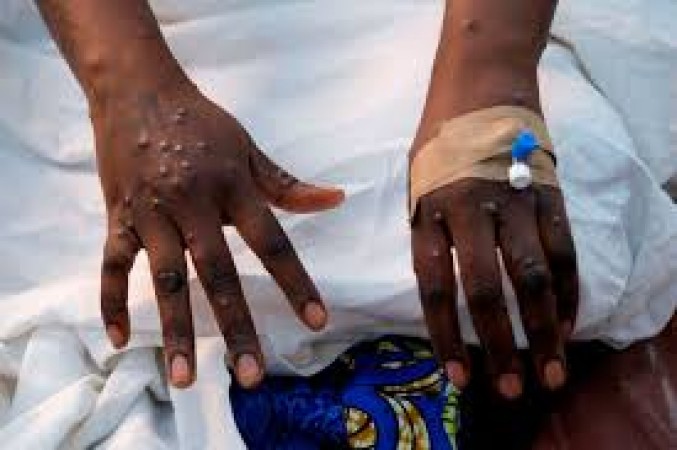
A new Africa–Europe research collaboration has been launched to accelerate scientific progress on two of the continent’s most pressing infectious disease threats; Mpox and Lassa fever, through a strengthened focus on translational research and vaccine development.
The initiative brings together the African Research Universities Alliance, the Guild of European Research-Intensive Universities, and development agency Enabel under the broader framework of the African Union–European Union Health Partnership. It is designed to enhance Africa’s capacity to generate locally driven solutions for emerging and re-emerging infectious diseases.
The programme responds to persistent gaps in the translational research pipeline, where promising scientific discoveries often struggle to move from laboratory findings into diagnostics, vaccines, and deployable health technologies. By strengthening collaboration between African and European institutions, the initiative seeks to bridge this divide and accelerate pathways from research to real-world impact.
The programme is being implemented through member universities within the Africa–Europe Clusters of Research Excellence (CoRE), with technical support from the Africa Centres for Disease Control and Prevention and financial backing from Belgium. It is anchored in three thematic clusters focusing on infection biology, advanced infectious disease research, and genomics for health in Africa.
A cohort of seven early- and mid-career researchers from Malawi, Uganda, Nigeria, and Ghana has been selected for the inaugural fellowship following a competitive review process. The fellows bring multidisciplinary expertise spanning virology, immunology, clinical research, and public health policy, positioning them to address critical bottlenecks in the development of vaccines and diagnostics for Mpox and Lassa fever.
The fellowship is coordinated by Université catholique de Louvain and involves structured mobility placements across leading institutions in both Africa and Europe. Participating universities include the University of Ghana, University of Ibadan, Makerere University, University of Bern, Radboud University Medical Centre, University of Glasgow, and Universitat Pompeu Fabra.
Through short research residencies ranging from one to six weeks, fellows will be embedded in multidisciplinary teams where they will gain hands-on experience in translational research design, clinical trial pathways, regulatory engagement, and early-stage product development. The programme also supports the development of policy briefs and technical guidelines linked to Mpox and Lassa fever research priorities.
By the end of their placements, each fellow is expected to produce a set of structured outputs, including preliminary research findings, product development roadmaps, regulatory landscape assessments, and policy-relevant insights. These deliverables are intended to support future investment decisions and strengthen collaboration between researchers, industry actors, and health regulators.
The fellowship further serves as a pilot model for structured academic exchange under the Agenda 2063 and the EU’s Global Gateway strategy, demonstrating how mobility-based research collaboration can strengthen responses to priority diseases while also addressing broader socio-economic health challenges.
Photo courtesy / Reuters
https://arua.org/new-africa-europe-partnership-to-strengthen-research-on-mpox-and-lassa-fever/
Comment