
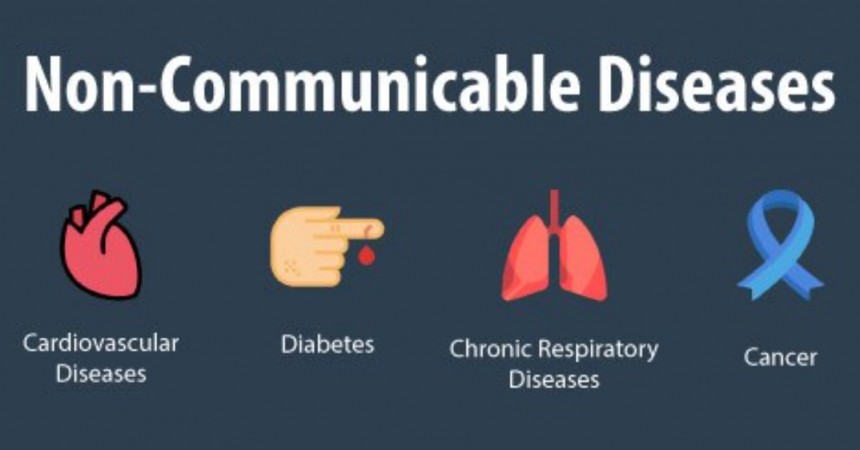
A strategic partnership has been launched to significantly boost research and policy action on non-communicable diseases (NCDs), with a focus on cardiometabolic diseases (CMDs) across East Africa. The initiative, backed by the Novo Nordisk Foundation and key regional stakeholders, aims to improve evidence-based planning and implementation for CMD-related health services while closing persistent gaps between research and healthcare delivery.
Under the 12-month programme, the Ministry of Health (MoH) Kenya, the Non-Communicable Diseases Alliance of Kenya (NCDAK), and the Science for Africa Foundation (SFA Foundation) will work together to undertake research agenda-setting and capacity mapping for CMDs, including diabetes, hypertension, cardiovascular disease and kidney disease. These conditions increasingly strain health systems in East Africa, where NCDs now account for an estimated 30–45% of all deaths.
Dr Evelyn Gitau, Chief Scientific Officer at the SFA Foundation, said the initiative seeks to close the persistent gap between research and implementation that hinders effective NCD responses. “This initiative focuses on identifying service-delivery bottlenecks and strengthening regional research capacity so that African-led science can more effectively inform policy, practice, and investment,” she said.
Central to the initiative is the development of a nationally endorsed NCD Research Agenda for Kenya, with a concentrated emphasis on CMDs. This agenda-setting process will be guided by broad consultations that include policymakers, public health researchers, civil society organisations, patient advocates and people living with NCDs. The goal is to align research priorities with real needs on the ground and ensure that investments in health science address key gaps in prevention, early diagnosis, treatment and long-term care.
Dr Gladwell Gathecha, Acting Head of the Division of Non-Communicable Diseases at Kenya’s Ministry of Health, emphasised the importance of anchoring research within national health priorities. “Kenya’s response to non-communicable diseases must be guided by evidence that reflects our realities and priorities,” she said. “This initiative enables us to lead the development of a nationally endorsed NCD Research Agenda that aligns research investment with the needs of our health system, strengthening primary care and accelerating progress towards quality, equitable and sustainable NCD prevention and control.”
For NCDAK, inclusivity and equity are core to the agenda-setting process. The alliance has stressed that effective NCD research should be “inclusive, accountable and grounded in lived experience”, ensuring that the voices of patients and communities directly affected by these diseases shape research priorities and solutions. Such stakeholder engagement reflects a growing emphasis on health equity across NCD policy and implementation work in Africa.
Dr Catherine Karekezi, Executive Director of NCD Alliance Kenya, said the consultative process aims to produce a research agenda that not only identifies scientific gaps but also amplifies community perspectives and drives actionable solutions where they are most needed.
The resulting research agenda is expected to establish a coherent framework for coordinated investment in both NCD and CMD research in Kenya and across East Africa. By systematically mapping institutional and technical capacity for NCD and CMD research, the initiative aims to strengthen the translation of evidence into policy and practice, ensuring that scientific findings lead to tangible improvements in healthcare delivery.
The initiative aims to strengthen the evidence-to-practice pathway for non-communicable diseases, advancing health outcomes for millions of people in East Africa.
Photo courtesy / Indus Health plus
Article by RB correspondent
Comment